

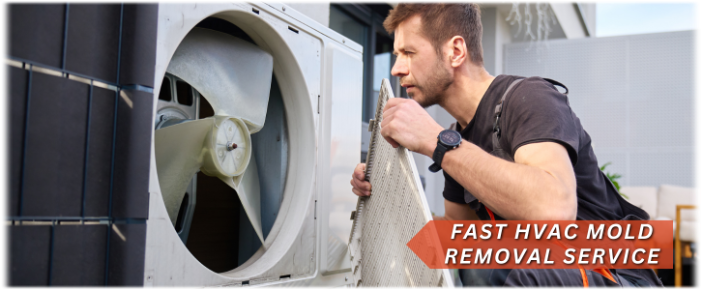
When moisture and musty odors begin affecting your home, HVAC Mold Removal in Cherry Hill, NJ can help address the source inside your system. Mold may develop around coils, drain pans, vents, or other damp HVAC components. Because the system circulates air throughout your home, early treatment matters. Call (856) 702-3332 today to schedule an inspection and get clear answers.
HVAC Mold Removal in Cherry Hill, NJ for Healthier HVAC Systems
Your heating and cooling equipment regularly handles moisture, especially during humid New Jersey summers. Therefore, certain HVAC areas can support mold when moisture remains too long.
Our service starts by checking accessible components for visible growth, moisture, and buildup. We then focus treatment on affected areas instead of applying unnecessary cleaning throughout the system.
In addition, we look for conditions that may encourage mold to return. These can include clogged drains, restricted airflow, dirty coils, or excess indoor humidity.
Common Signs of Molds Inside an HVAC System
A musty smell when the air conditioner starts often provides an early warning. However, mold does not always appear around visible vents.
You may also notice dark spotting near registers or recurring moisture around cooling equipment. Likewise, unusual odors may become stronger after the system runs for several minutes.
Some homeowners also find excessive dust around supply vents. In these cases, a ductwork inspection can help determine whether contamination extends into the air distribution system.
When needed, air duct mold removal can address affected duct surfaces. Meanwhile, AC coil cleaning can remove buildup from cooling components that collect moisture.
Why HVAC Mold Removal in Cherry Hill, NJ May Be Needed
Cherry Hill experiences hot summers, seasonal humidity, and extended air conditioner use. As a result, condensation can collect inside HVAC equipment during peak cooling periods.
Homes in Barclay Farm, Erlton, Ashland, and Kingston Estates include many different construction styles and system ages. Older equipment may face drainage or airflow problems. Meanwhile, newer homes can still develop mold when humidity remains high.
Properties across ZIP codes 08002, 08003, and 08034 also experience changing seasonal conditions. Therefore, moisture control remains important throughout much of the year.
Our Approach to HVAC Mold Treatment
Effective HVAC molds remediation requires more than removing visible discoloration. The process should also address the conditions supporting growth.
First, we inspect accessible HVAC areas and identify signs of moisture. Next, we determine which components need focused cleaning. Then, we treat affected areas using appropriate methods.
We also explain our findings in straightforward language. Therefore, you can understand what needs attention before deciding on additional services.
Depending on system conditions, related services may include air duct cleaning, HVAC cleaning, or vent cleaning. However, we recommend additional work only when the system shows a clear need.
Reduce the Risk of Future Mold Growth
After treatment, controlling moisture can help reduce the chance of recurring problems. Start by changing HVAC filters on schedule and keeping airflow unrestricted.
Additionally, keep condensate drains clear and watch for standing water around indoor equipment. A properly operating drainage system helps move moisture away from the unit.
Indoor humidity also matters. Therefore, keeping humidity at reasonable levels can make conditions less favorable for mold development.
Finally, investigate recurring odors instead of masking them with air fresheners. Early inspection can prevent a localized moisture issue from affecting more HVAC components.
Frequently Asked Questions
What causes mold to grow inside HVAC equipment?
Condensation, clogged drains, poor airflow, dirty components, and excess humidity can create conditions that support mold growth inside HVAC systems.
Can mold return after HVAC cleanings?
Yes. Mold can return when the original moisture problem remains. Correcting drainage, humidity, and airflow issues can help reduce future growth.
When should I have my HVAC system checked for mold?
Schedule an inspection when you notice recurring musty odors, visible growth, or moisture around HVAC equipment. HVAC Mold Removal in Cherry Hill, NJ can address affected areas and identify conditions that may contribute to recurring problems.
Do not let moisture and musty odors continue circulating through your home. Call (856) 702-3332 now for timely service, targeted treatment, and dependable HVAC Mold Removal in Cherry Hill, NJ.